Kitchen remodeling brings a lot of excitement. It's easy to get caught up imagining every tile, cabinet, and finish. But when we try to plan too much too fast, things can get overwhelming. That excitement can turn into stress, especially if decisions are rushed or made out of pressure to get everything perfect from the start.
We've seen how overplanning slows things down. Instead of moving forward with confidence, homeowners can get stuck in endless choices or feel boxed in by early decisions. A smarter approach keeps things flexible and focused on how the kitchen will actually be used. Spring is a good time to map out ideas and take measured steps, especially here in Verona, NJ, where summer schedules fill up quickly.
Think About How the Space Will Be Used
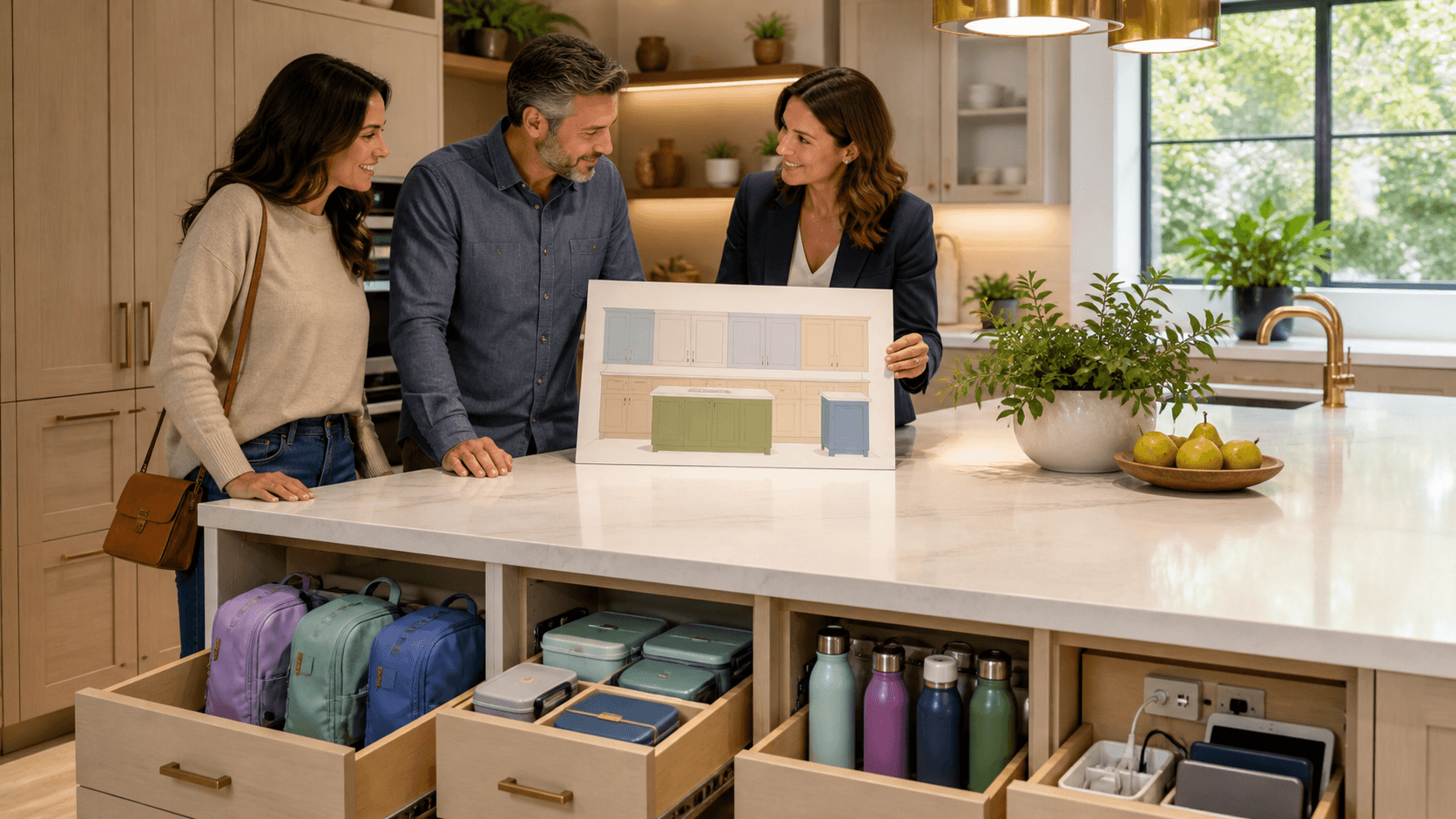
Before picking colors or cabinet handles, it helps to think about what really happens in the kitchen. Who's in there each day and for what? Do you spend mornings rushing through breakfast, or do you host Sunday meals with family and friends? The way a kitchen works makes a bigger difference than the way it looks.
- Make a short list of your daily tasks, like packing lunches, making coffee, or prepping dinner
- Think about foot traffic, is it just you, or do kids and pets pass through all the time?
- Write down the times of day the space gets the most use, even just for a few minutes
Knowing how you live gives better direction for layout and function. It can help you narrow down what actually needs to be included. Sometimes the best upgrade is more counter space near the coffee pot, not a built-in espresso maker. Little things you do every day should shape the plan more than pictures from a showroom.
NJ Kitchens and Baths can help you start the planning process with questions focused on real-life routines, not just style, so you make choices that truly fit your space.
Stop Trying to Finalize Every Single Product Early On
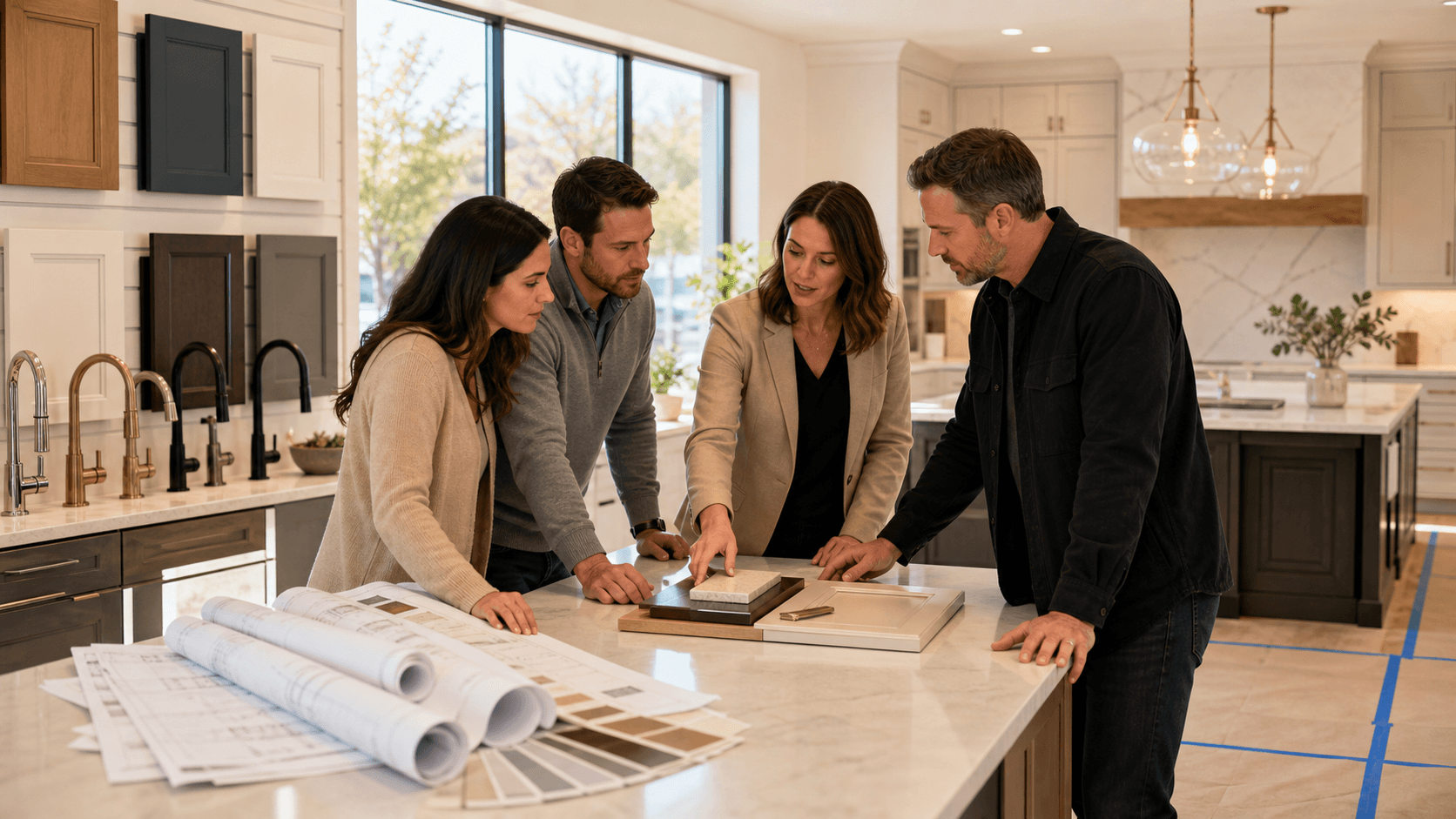
When we try to make every decision up front, things can slow down fast. There's a lot that needs to happen before a faucet or light fixture even comes into play. What matters first is getting the big pieces into place, like the basic layout and how the space will flow.
- Focus on the floor plan and overall structure first, since these guide all other decisions
- Let some product choices wait until the remodel is further along and budget becomes clear
- Avoid locking into one look if materials aren't available or turn out not to fit the space
Start with a few key decisions that affect the space directly. It's easier to pick cabinet hardware or pendant lights once you know your finishes and layout. Trying to plan everything at once can eat up a lot of time and energy, especially when your tastes might shift along the way or you find out something's out of stock.
Avoid Overloading the Layout with Too Many Features
More isn't always better. It's easy to get carried away thinking about double appliances, oversized islands, or extra cabinets. But too many features can make the kitchen crowded, expensive, or hard to use.
- Try not to add items just because you've seen them in someone else's remodel
- Keep enough open space for movement, especially if you cook with other people
- Ask yourself if each new feature will actually get used or just look good in photos
Sometimes skipping a second oven or opting for a smaller island makes room for better flow. That's especially helpful during busy times like holidays or summer dinners. Clear pathways and smart placement make daily use easier than a kitchen that tries to do too much.
Our Verona showroom lets you see different layouts in real life, so you can avoid overloading the design and focus on features that truly fit your space.
Trust the Process and Leave Room to Adjust
No matter how you plan, remodeling always brings surprises. You might open a wall and find wiring that needs to move. Or realize a cabinet size doesn't work after install starts. That's why leaving room in the plan helps everything go smoother from start to finish.
- Choose backup options for finishes, fixtures, or tile if something changes
- Be willing to shift ideas a little if something unexpected comes up
- Keep communication open with whoever is managing the work so updates are quick
The best kitchen plans have room to bend when needed. That flexibility makes the difference between a remodel that drags and one that moves with fewer headaches. Changing your mind on drawer handles later is fine if the big pieces are solid.
Let Your Kitchen Work for the Season You're In
Spring is a popular time to start kitchen remodeling projects in Verona, NJ. There's energy in the season, but that means contractors are booking up fast and schedules can get tight. Trying to cram all decisions into a short stretch can backfire if shipping delays or last-minute school events pop up.
- Leave space on the calendar for unexpected delays or family events
- Don't try to squeeze in extra parts of the remodel just to get it "done" by a date
- Be honest about what matters most and what can wait
Giving the plan a little breathing room now will help your kitchen feel more complete later. A cooler approach to timing keeps the process easier on everyone involved, including you. That's especially important heading into summer, when routines shift and more time is spent gathering or traveling.
Smarter Planning Creates a Smoother Remodel
It's natural to want every detail figured out from the start. But when you try to plan it all at once, your remodel can get bogged down before it even begins. When we focus on how our kitchen works and take the steps in order, the rest starts to fall into place.
Real-life use should guide decisions more than trends or pressure to make every part perfect. With flexibility in the schedule and a clear path that isn't overloaded, it's easier to reach the kind of kitchen that actually fits your day-to-day life. Slowing the pace a little is often what keeps the whole remodel moving forward.
Thinking about remodeling your kitchen in Verona, NJ? We're here to make the process smoother and less stressful. With a clear and flexible plan that fits your space, NJ Kitchens and Baths can guide you toward choices that truly fit your routines. Discover how our approach to kitchen remodeling can help you achieve a kitchen that works for your life, and connect with us when you're ready to take the next step.